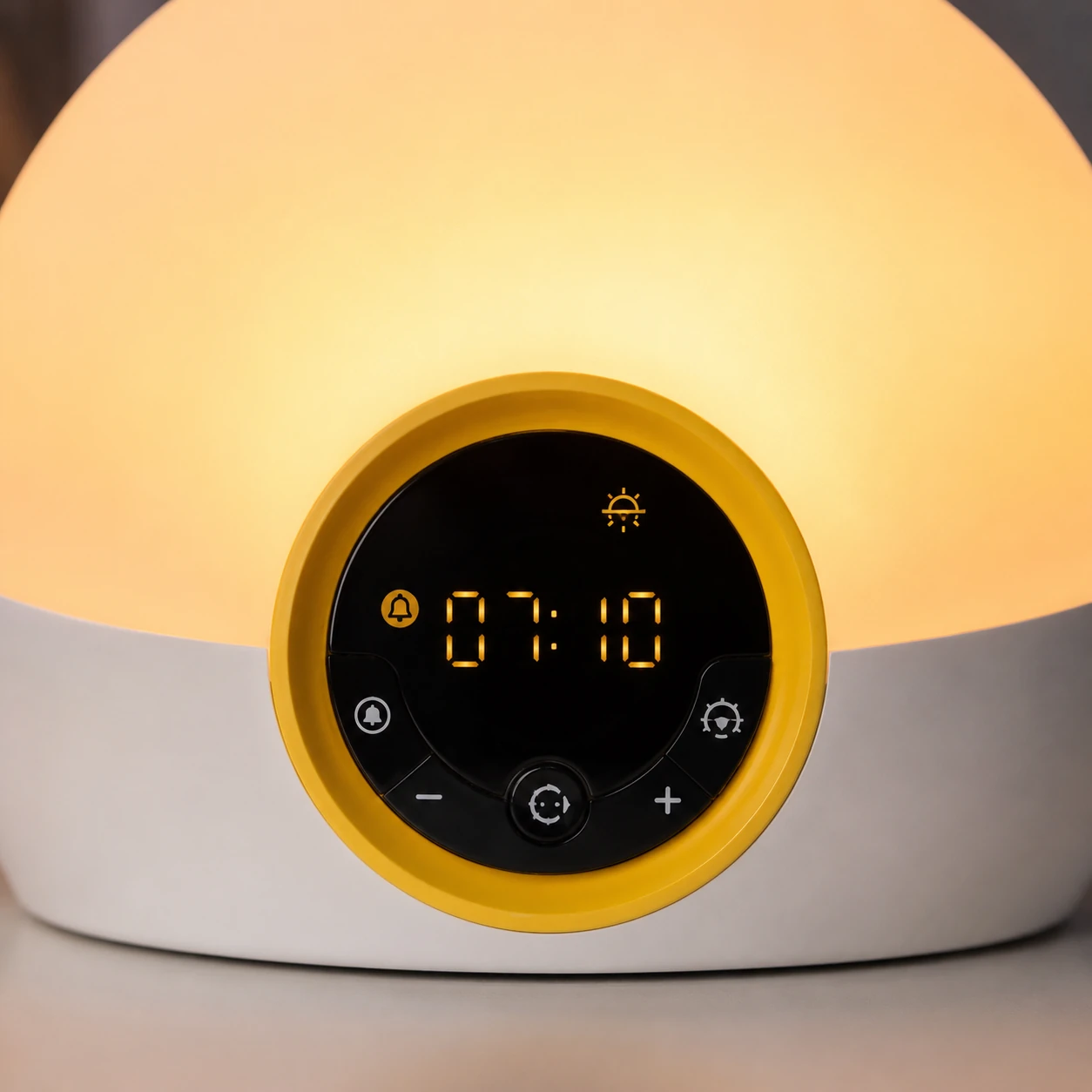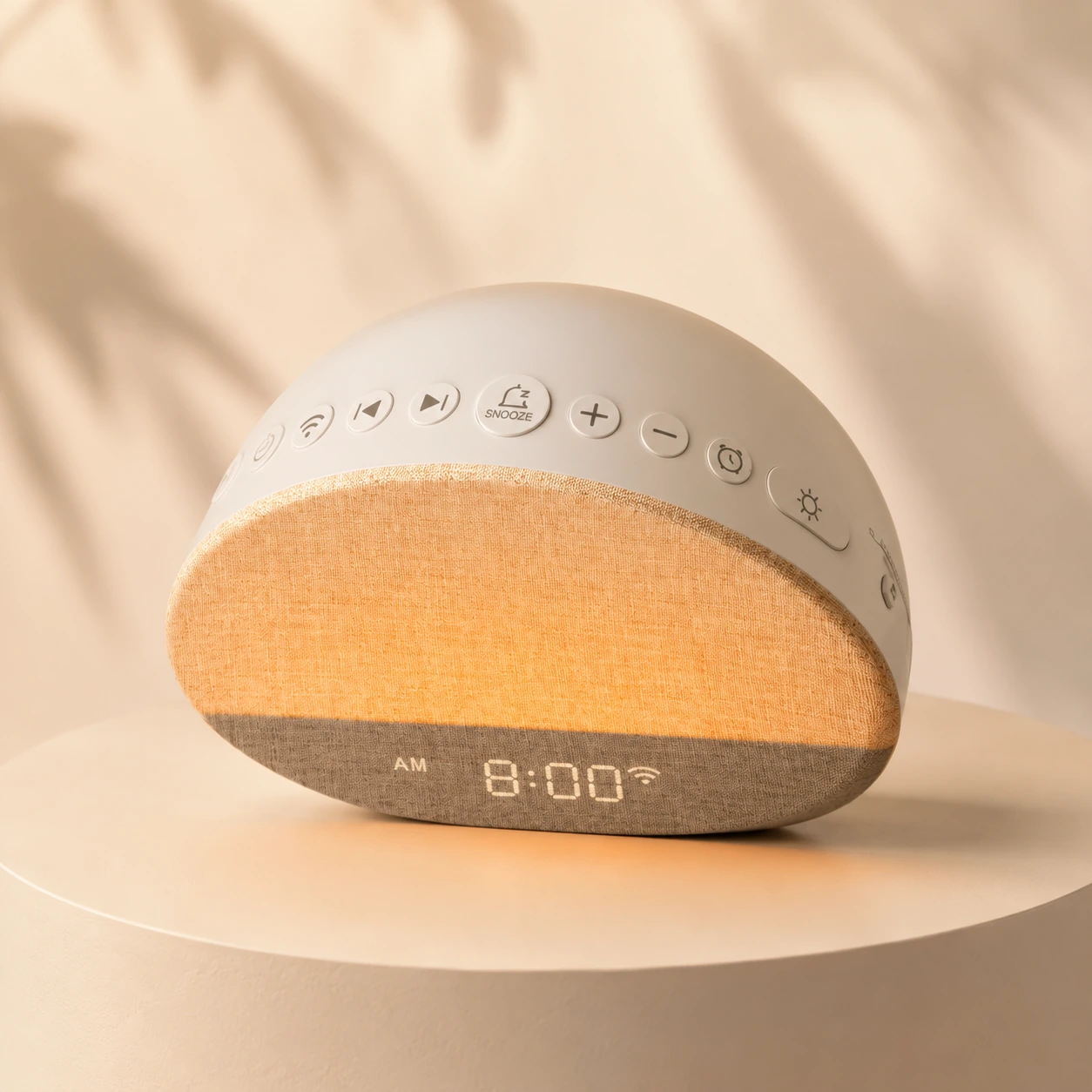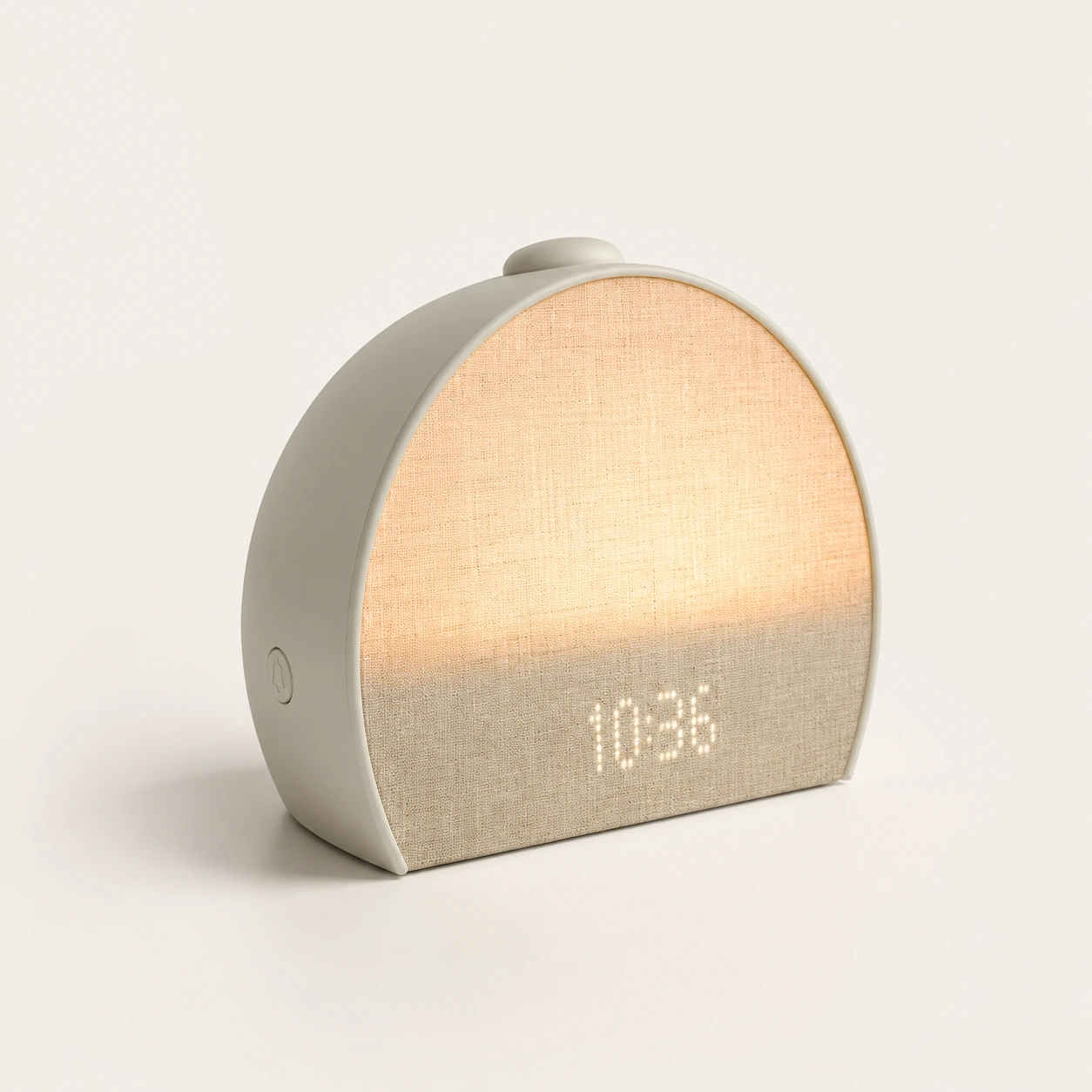
Hatch Restore 3 Smart Sunrise Alarm Clock
Sunrise routine review
Hatch+ and phone-down controls
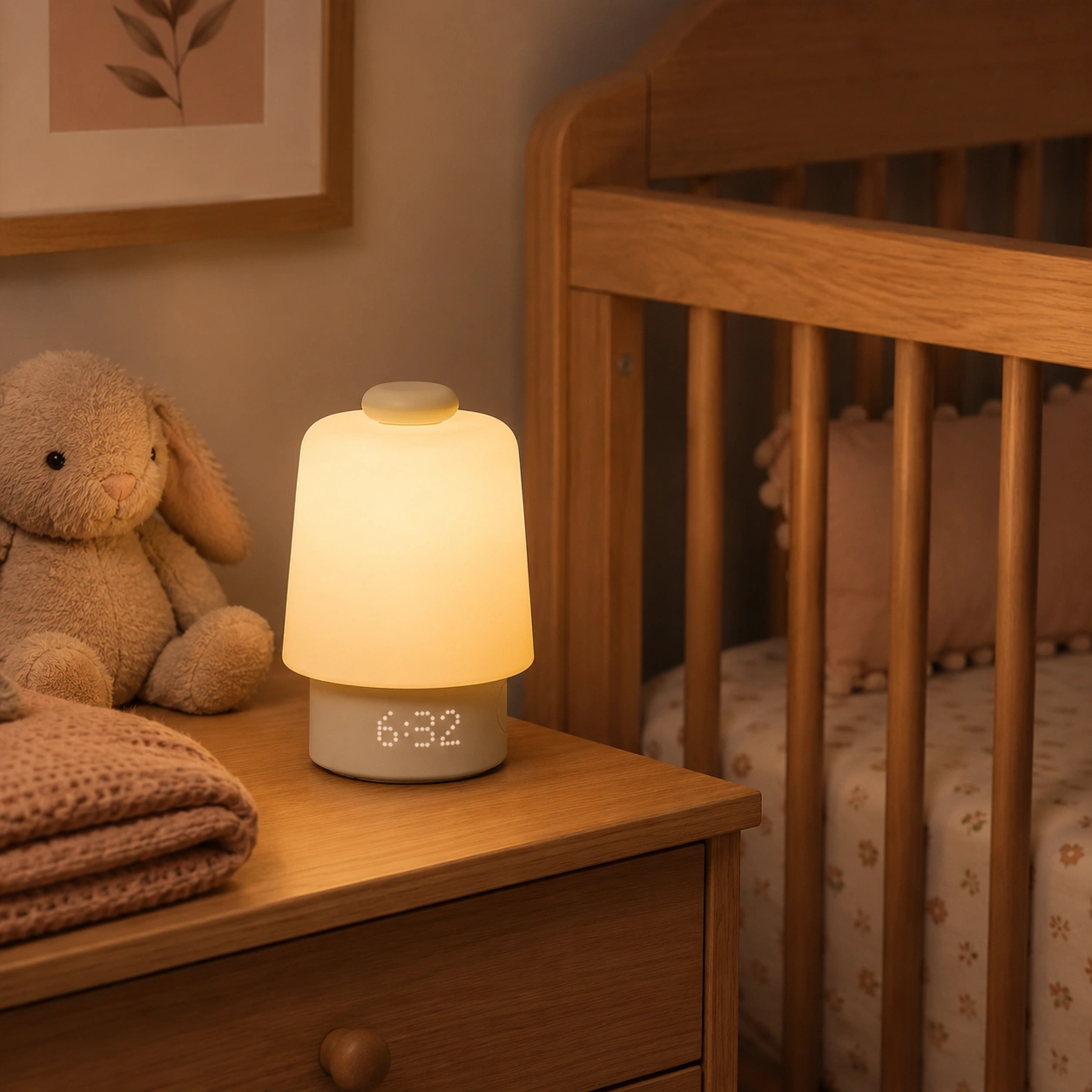
Hatch+ terms
Verify checkoutConfirm whether the included term shows 3 months before buyingView sourceModel guide
Compare firstCheck Hatch Baby against Rest+, Hatch Go, and Restore modelsSee alternativesRelated Products
Sunrise routine review
Hatch+ and phone-down controls
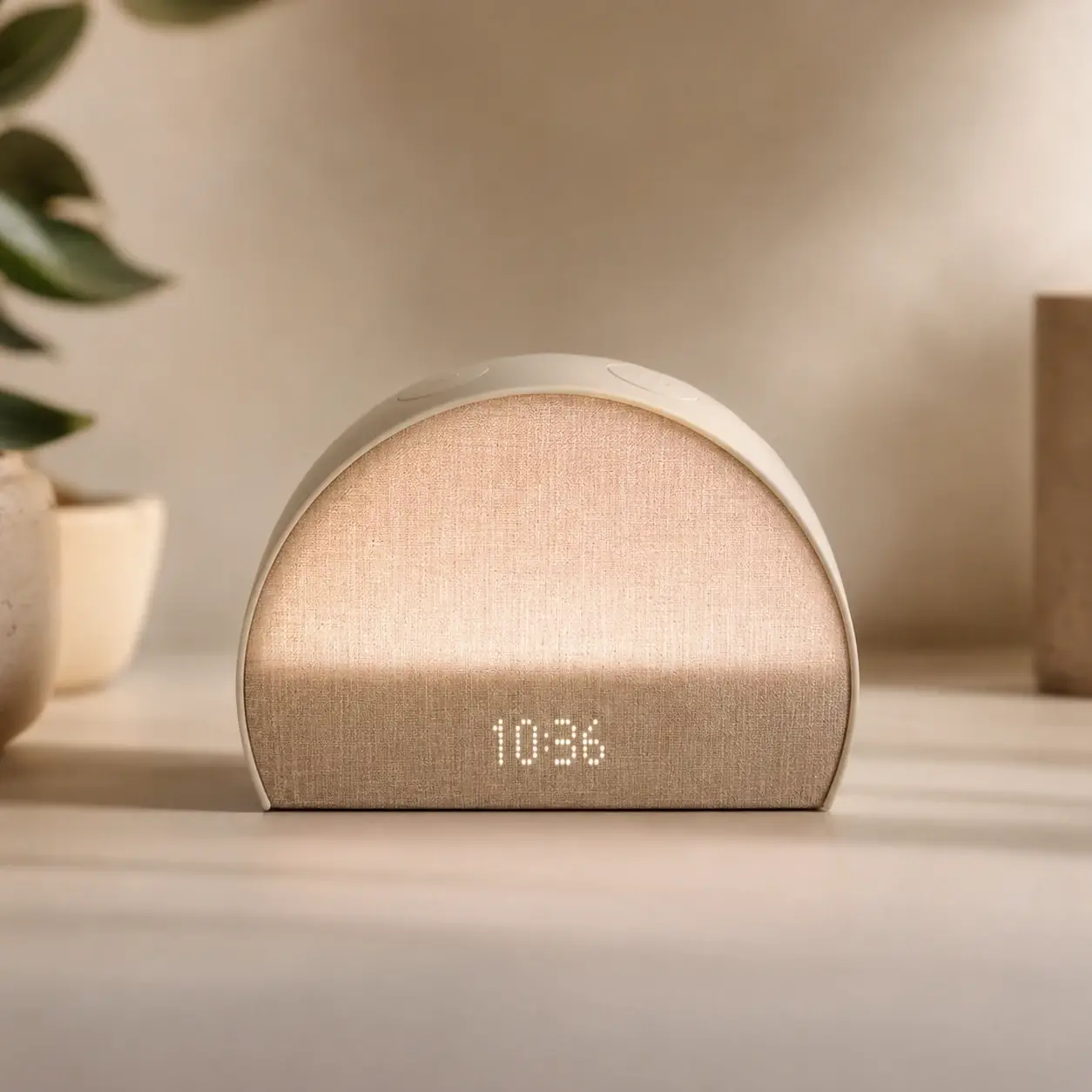
Full review
Discounted adult routines
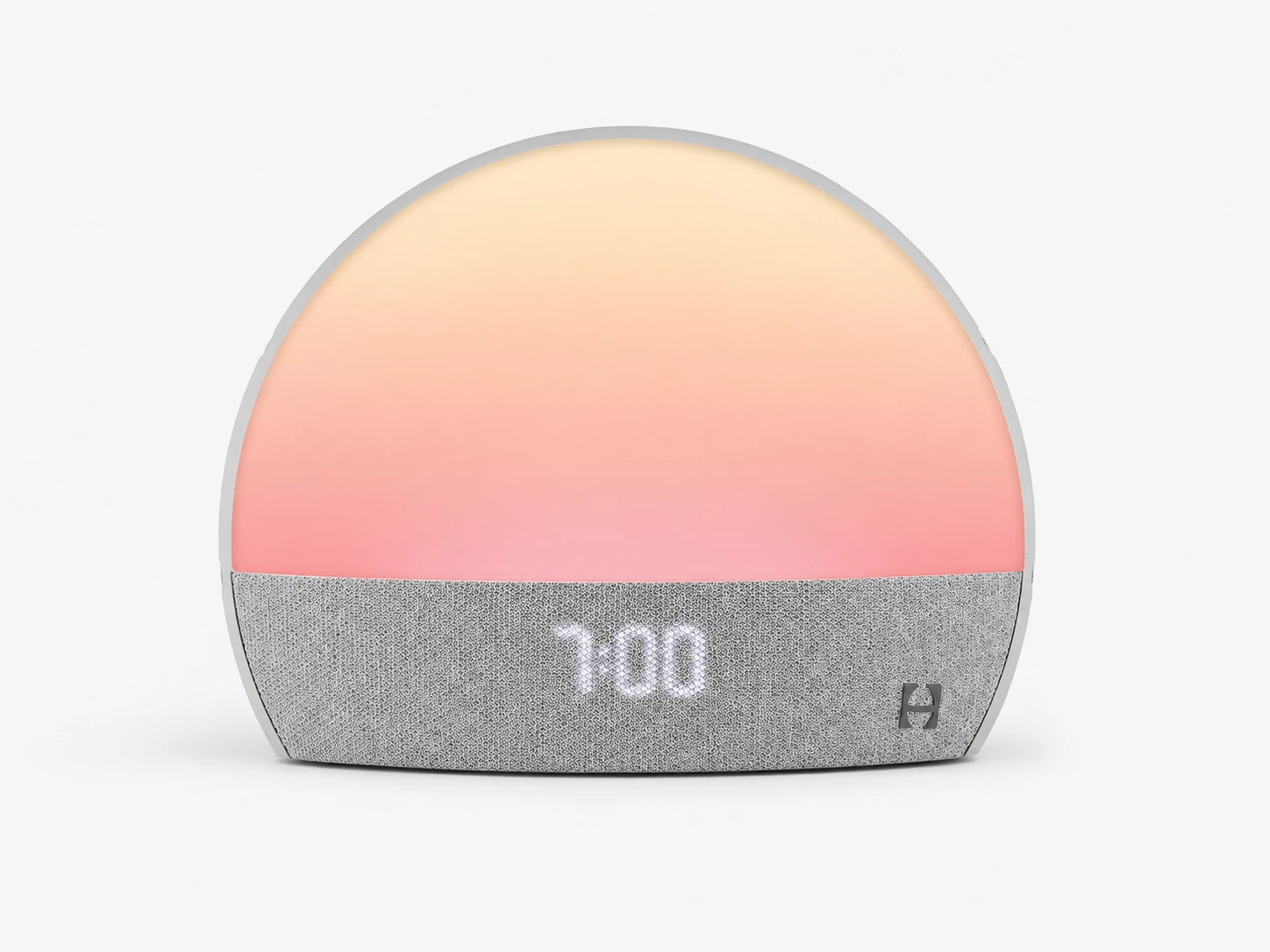
Full review
Original Restore buyers
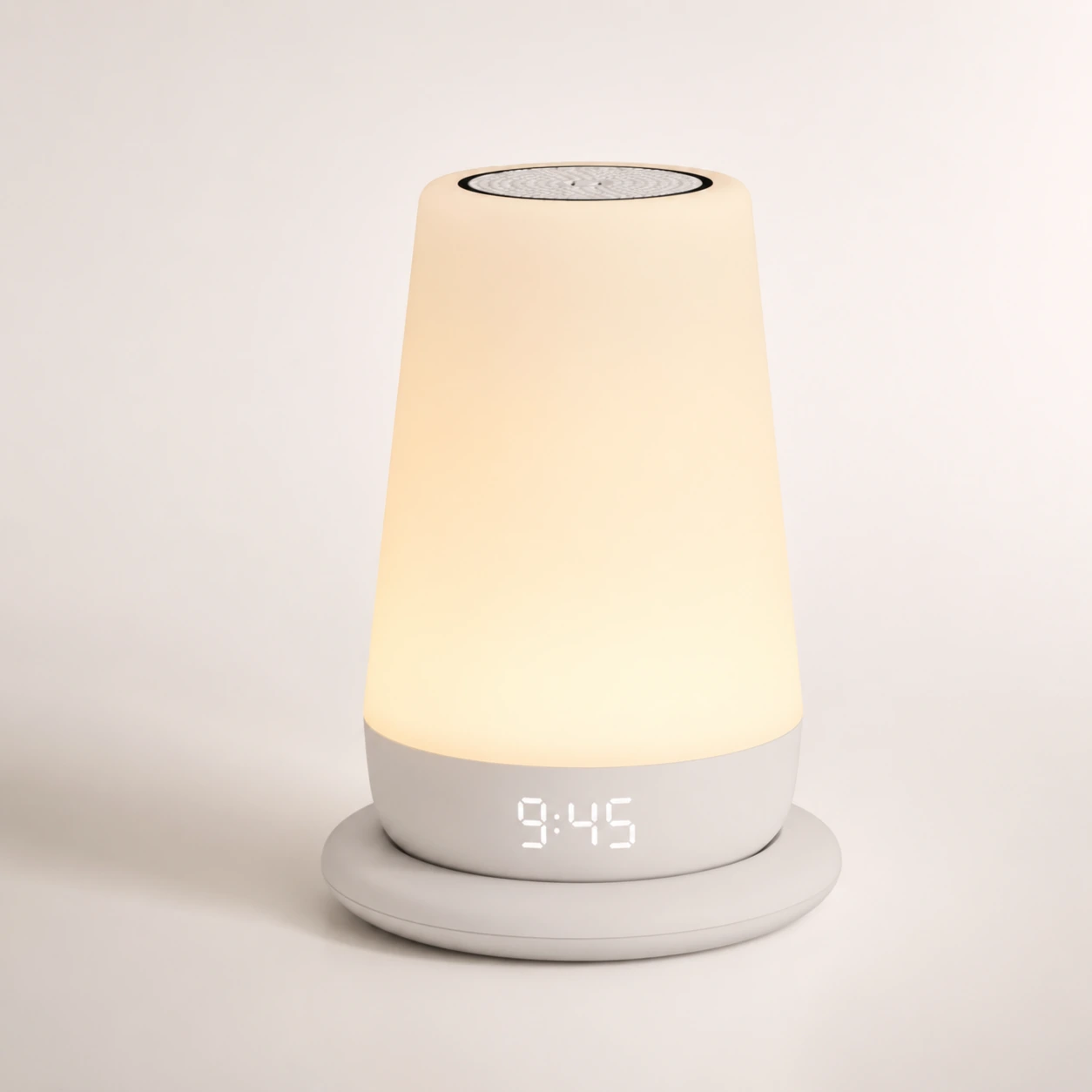
Full review
Family sleep routines
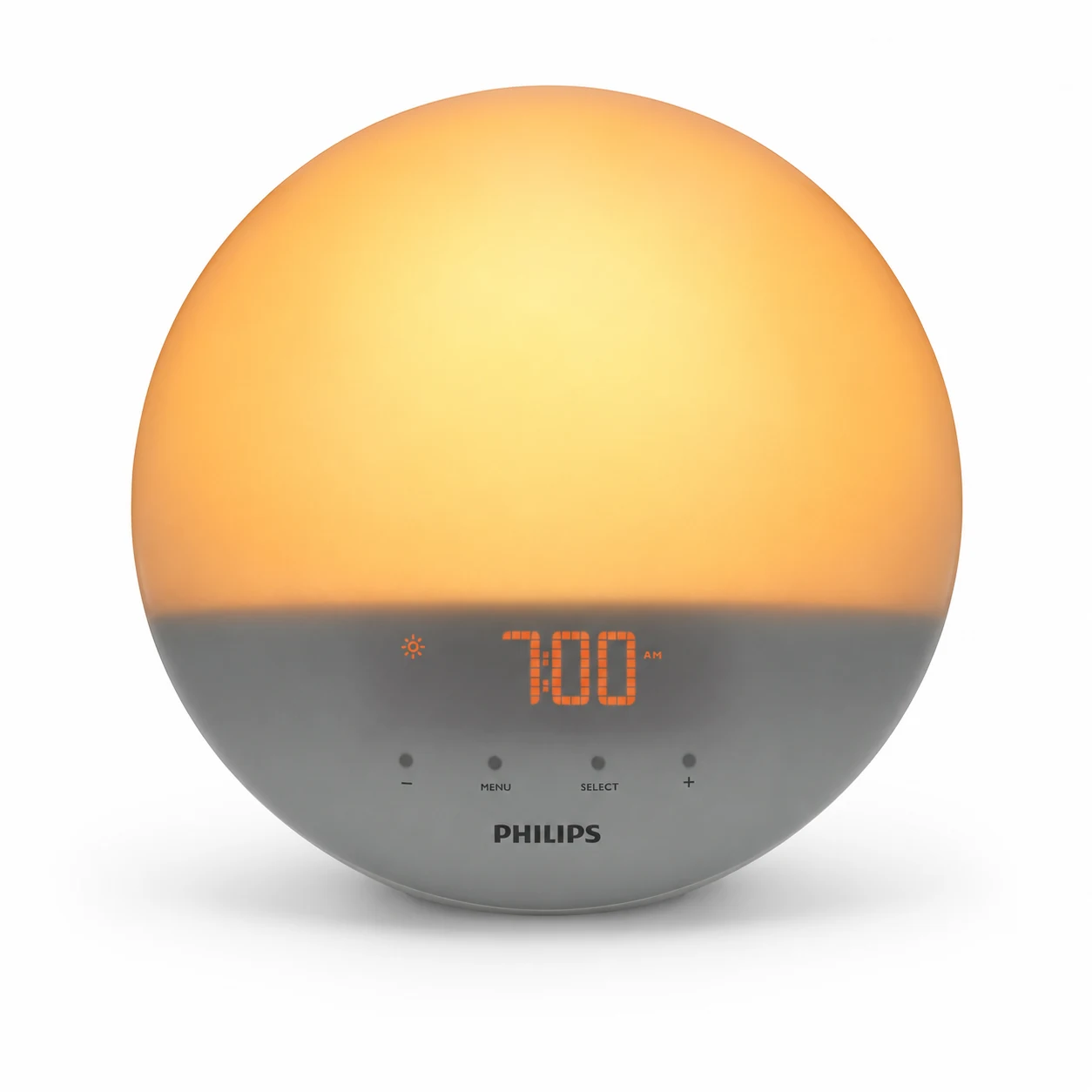
No-app sunrise review
Light-first adult bedrooms
Product Overview
Researched buyer review, not a fresh lab test
Parents who want one nursery device for sound, light cues, bedtime routines, and toddler wake-up training
Plug-in only, app-based setup, and a subscription layer if you want guided sleep support
8.2/10 for routine-focused families; 5.7/10 for basic white-noise use only
May 29, 2026
The Hatch Baby Sleep Sound Machine Alarm Clock is easiest to judge when you stop treating it like a plain white-noise machine. It is better understood as a nursery routine device: sound machine, nightlight, Time-to-Rise trainer, app schedule, and Hatch+ baby sleep support bundle in one product.
My verdict: Hatch Baby is a strong buy if you want repeatable light-and-sound cues from newborn nights into toddler mornings. It is not the best value if all you need is steady white noise. A cheaper sound machine can handle that job with less setup, no account, no Wi-Fi, and no subscription decision.
The buying question is not "does Hatch Baby play nice sounds?" It does. The better question is: will your family use the routines enough to justify paying more than a basic sound machine?
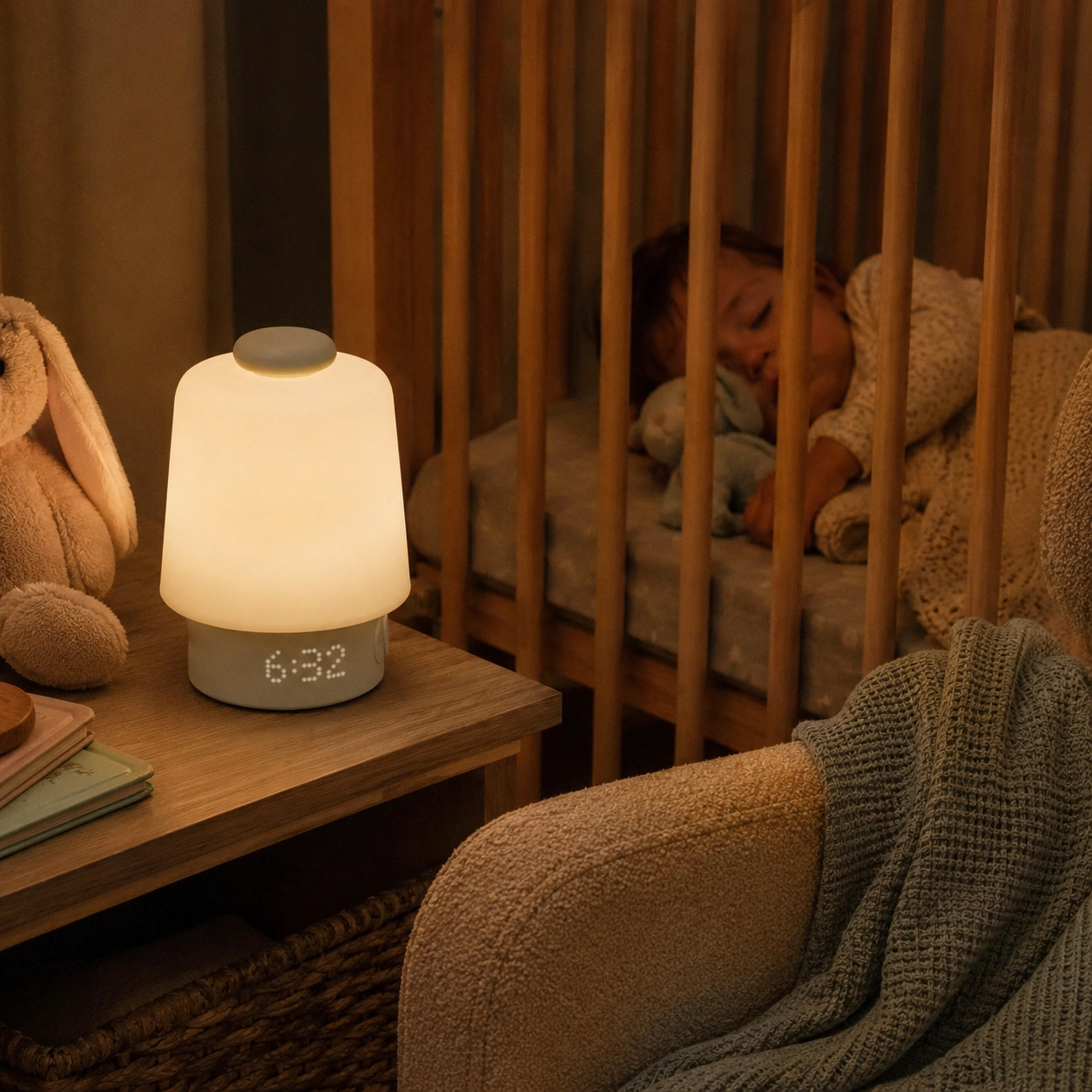
| Hatch Baby | Quick details |
|---|---|
| Product category | Baby sound machine, nightlight, routine builder, Time-to-Rise clock |
| Official price checked | $79.99 |
| Included Hatch+ term shown on official product page | 3 months at fact check |
| Power | Plug-in only |
| Battery backup | No |
| App required for setup | Yes, Hatch Sleep app |
| Physical controls | Big Button, volume knob, nightlight button, brightness button, pairing button |
| Best use | Nursery sound-and-light routines from newborn nights to toddler wake cues |
| Weakest use | Travel, power outages, or basic sound masking only |
| Main buyer warning | Verify the included Hatch+ term at checkout; Hatch support copy has shown both 3-month and 6-month language |
Hatch naming can confuse buyers. Hatch Baby is not Hatch Rest, Rest+ 2nd Gen, Hatch Go, or Hatch Restore. Those products overlap, but they solve different problems.
| Product | Best fit | Battery | Core role | Buying note |
|---|---|---|---|---|
| Hatch Baby | Newborn-to-toddler nursery routines | No | Sound, nightlight, Time-to-Rise, baby sleep support | Best match for this review |
| Hatch Rest 2nd Gen | Kids room routines without Hatch Baby support layer | No | Sound, light, clock, routines | Good kids-room device, but not the same baby-support bundle |
| Hatch Rest+ 2nd Gen | Families that want a kids routine device with rechargeable support | Yes | Sound, light, clock, routines, extra features | Better if battery matters inside the home |
| Hatch Go | Travel, stroller naps, daycare bag | Yes | Portable sound machine | Better travel choice; weaker routine device |
| Hatch Restore 3 | Adult sleep and sunrise routines | Not a baby product | Adult wind-down and wake-up | Wrong product if the search intent is baby sleep support |
The simple rule: buy Hatch Baby for the nursery, Hatch Go for travel, Rest+ if rechargeable support matters, and Restore only for an adult bedroom.
Hatch Baby combines four useful jobs. The question is how many of those jobs you will use.
The free sound list is broad enough for most families. Hatch lists free options such as White Noise, Brown Noise, Pink Noise, Heartbeat, Womb Sounds, Rain, Ocean Waves, Vacuum, Dryer, Dishwasher, fan-style sounds, lullabies, and nature sounds. That matters because the device does not lose its basic sound-machine role if you do not renew Hatch+.
This is useful for feeding, diaper changes, replacing a pacifier, or entering the nursery without turning on a ceiling light. The nightlight is not just decorative; it is one of the more practical parts of the device.
Hatch Baby can pair sound and light with scheduled bedtime and wake-up moments. This is where it becomes more valuable than a plain sound box. A child can learn that one light means bedtime, another light means stay in bed, and another means it is okay to get up.
Hatch describes Hatch Baby as including access to baby sleep support features such as 1:1 Sleep Consultant Chat and Baby Sleep Guides during the included term. That is useful if you want guided behavioral support, but it should not be treated as medical care.
My practical score rises when a family uses at least two of these jobs every week. If you only use sound, the price becomes harder to defend.
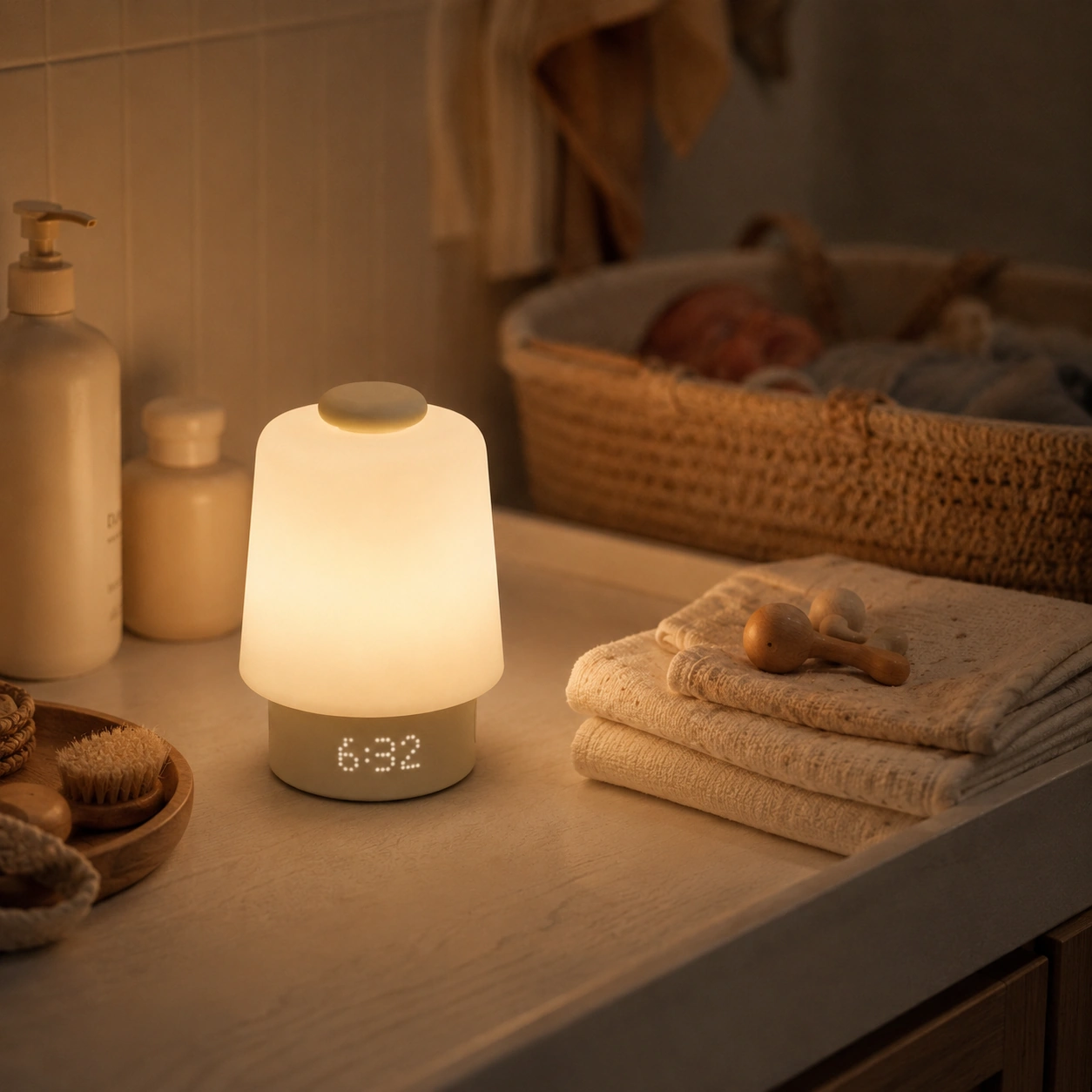
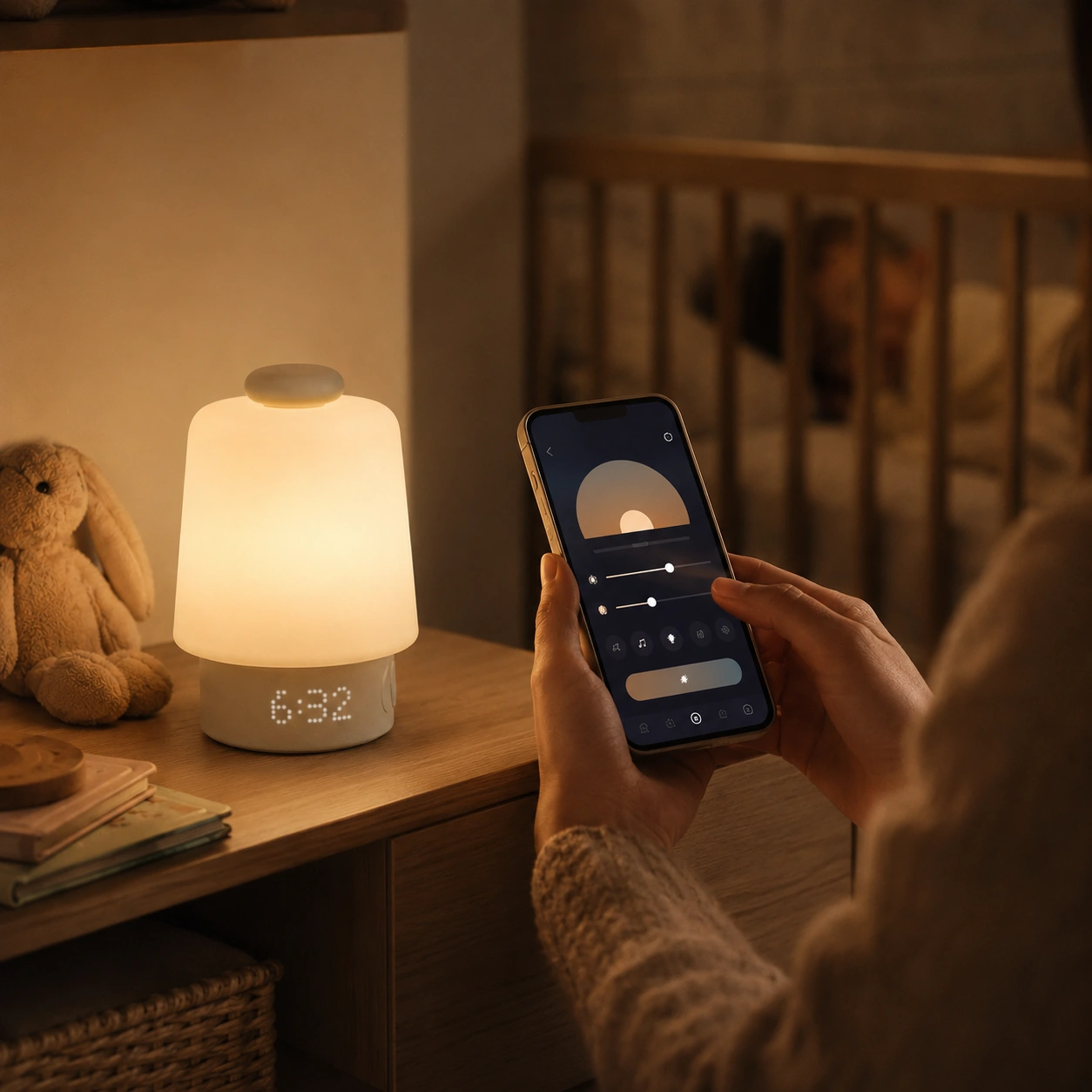
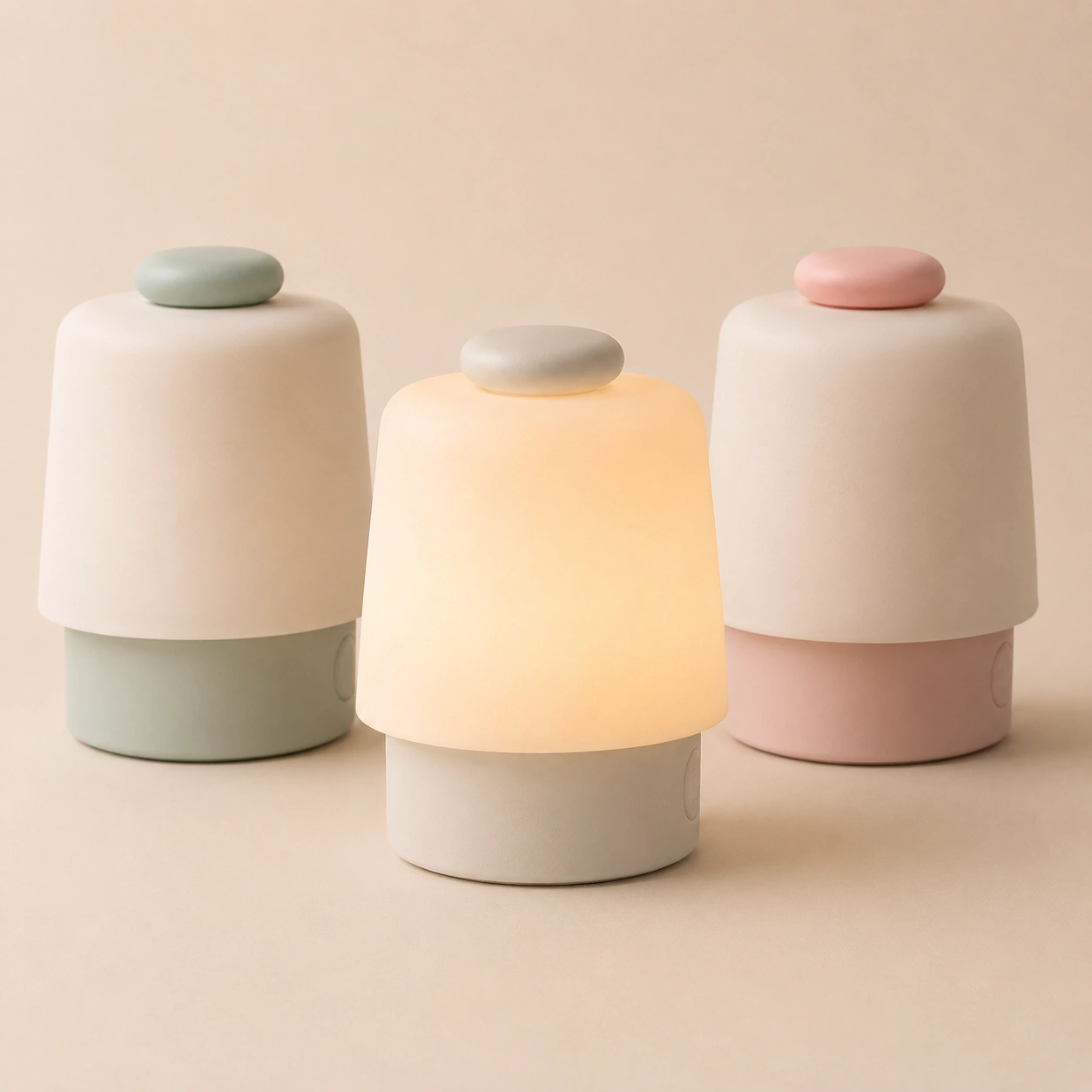
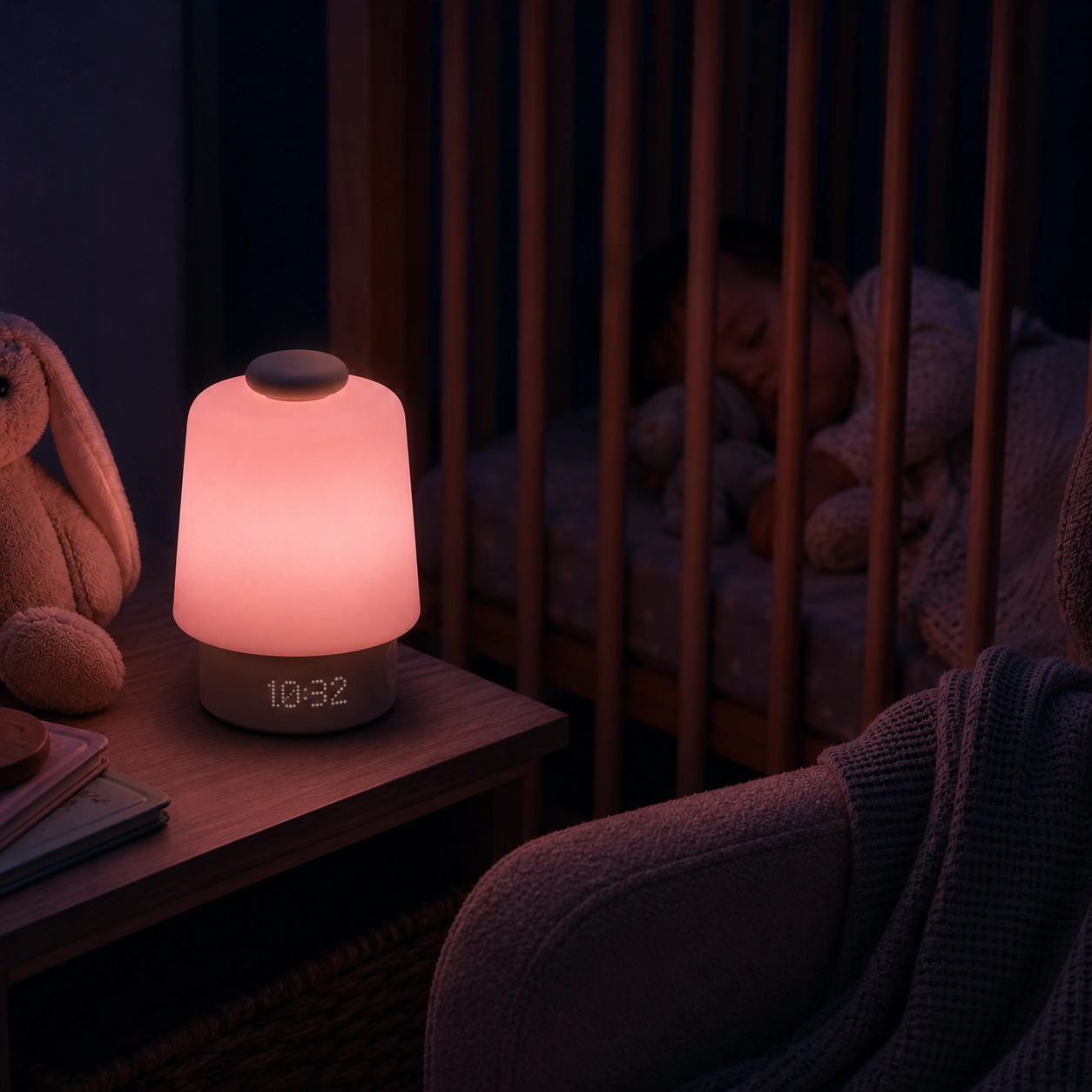
The subscription issue should be clear before checkout. Hatch Baby still works without Hatch+, but premium support and content change the experience.
| Feature | Without Hatch+ after trial | With Hatch+ |
|---|---|---|
| Basic sleep sounds | Yes | Yes, plus more content |
| Basic lights | Yes | Yes, plus more light options/content |
| Time-to-Rise / Time-for-Bed cues | Yes | Yes |
| Baby Sleep Guides | No after included term | Yes |
| 1:1 Sleep Consultant Chat | No after included term | Yes |
| Premium stories and songs | Limited/no | Yes |
| Dynamic lights | Limited/no | Yes |
| Predictive schedules | No, based on Hatch support wording | Yes |
| Tuck-ins from family or friends | No after included term | Yes |
| Play from phone | Listed by Hatch as part of the renewed premium feature set | Yes |
The key buyer point: Hatch+ is not required for Hatch Baby to function as a sound machine, nightlight, and cue device. Hatch+ matters most if you want guided sleep support, premium content, and the fuller app experience.
This is a real buyer-warning, not a minor wording issue. At fact check, Hatch's official product page showed a 3-month Hatch+ subscription included. Hatch Support also says Hatch Baby comes with 3 months of full access, but the same support article still contains a 6-month line lower down.
Before buying: do not rely on old reviews, cached snippets, or marketplace copy for the included term. Check the active product page and the checkout page. The device is still worth considering either way, but a 3-month and a 6-month included term are not the same value.
Hatch Baby is not a plug-in-and-ignore-it machine. Setup runs through the Hatch Sleep app, with Wi-Fi and Bluetooth pairing involved. That is normal for a smart nursery device, but it is a downside if you want a fully offline product.
The better news is that nightly use does not have to mean tapping around the app. The physical controls are one of the strongest parts of Hatch Baby.
| Control | What it does | Why it matters |
|---|---|---|
| Big Button | Starts the first Favorite, cycles to the next Favorite, long press turns off | Useful when your hands are full |
| Volume knob | Adjusts sound volume | Faster than opening the app at night |
| Nightlight button | Turns the nightlight on and off | Helpful during feeds and diaper changes |
| Brightness button | Raises or lowers brightness | Lets you keep light low during sleep hours |
| Tap for Time | Shows the time when the display is hidden | Useful if you hide the clock display at night |
| Child Lock | Locks most buttons except the nightlight button | Helpful once toddlers start pressing buttons |
Setup tip: set it up before bedtime. Save one low-light feeding Favorite and one sleep sound Favorite before the first night. If you wait until the baby is crying, the app setup will feel more annoying than it really is.
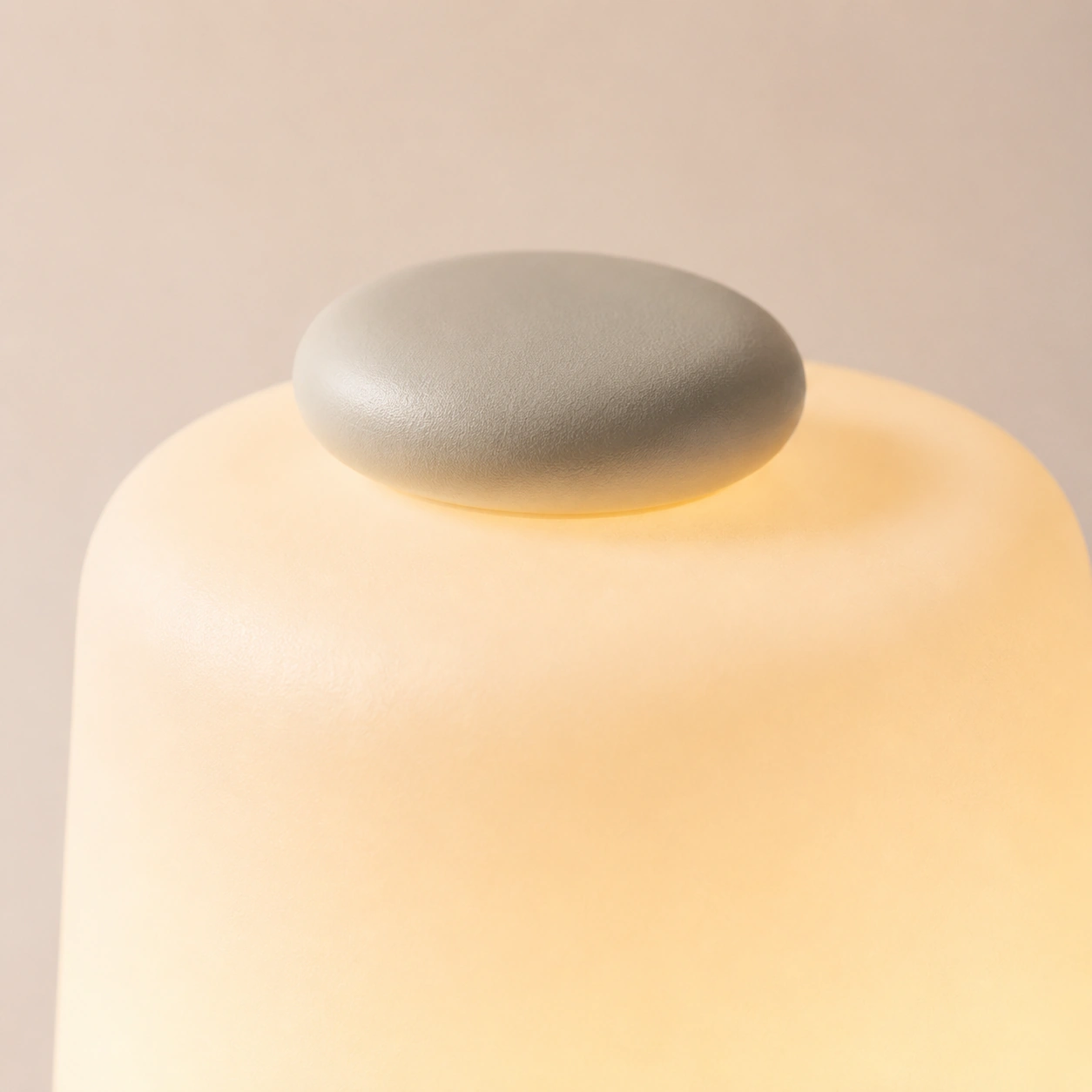
Hatch Baby makes more sense when you separate the baby stages. The same product does not provide the same value for a newborn and a three-year-old.
| Stage | Best use | What matters | Main limit |
|---|---|---|---|
| Newborn | Low nightlight, steady sound, one-button Favorite | Gentle controls and repeatability | Time-to-Rise is not useful yet |
| Baby | Nap and bedtime sound/light cue | Consistent pairing of sound and light | Schedules help only if the family keeps a routine |
| Toddler | Time-to-Rise and color-based boundaries | Teaching the cue and responding consistently | The light will not fix early waking by itself |
| Bigger kid | Comfort light, wake cue, independent routine | Predictability | Some children may outgrow the nursery-device feel |
For newborn use, keep it simple. One dim light, one steady sound, one button action. Do not turn the first week into a settings project.
For toddler use, Hatch Baby can become more valuable. Time-to-Rise gives the child a visible cue, but only if adults teach and enforce the cue.
Parents searching "alarm clock" often want help with early rising. Hatch Baby can help, but it is not a behavioral shortcut.
| Cue | Meaning for the child |
|---|---|
| Dim yellow light, no sound | Stay in bed or play quietly |
| Green light, soft sound | Okay to get up |
| Same schedule most mornings | The cue becomes predictable |
| Parent response matches the cue | The boundary becomes believable |
Where it fails: the wake color changes constantly, adults sometimes allow early wake-ups and sometimes do not, or the child is too young to understand the rule. Hatch Baby can support the routine. It cannot do the parenting part.
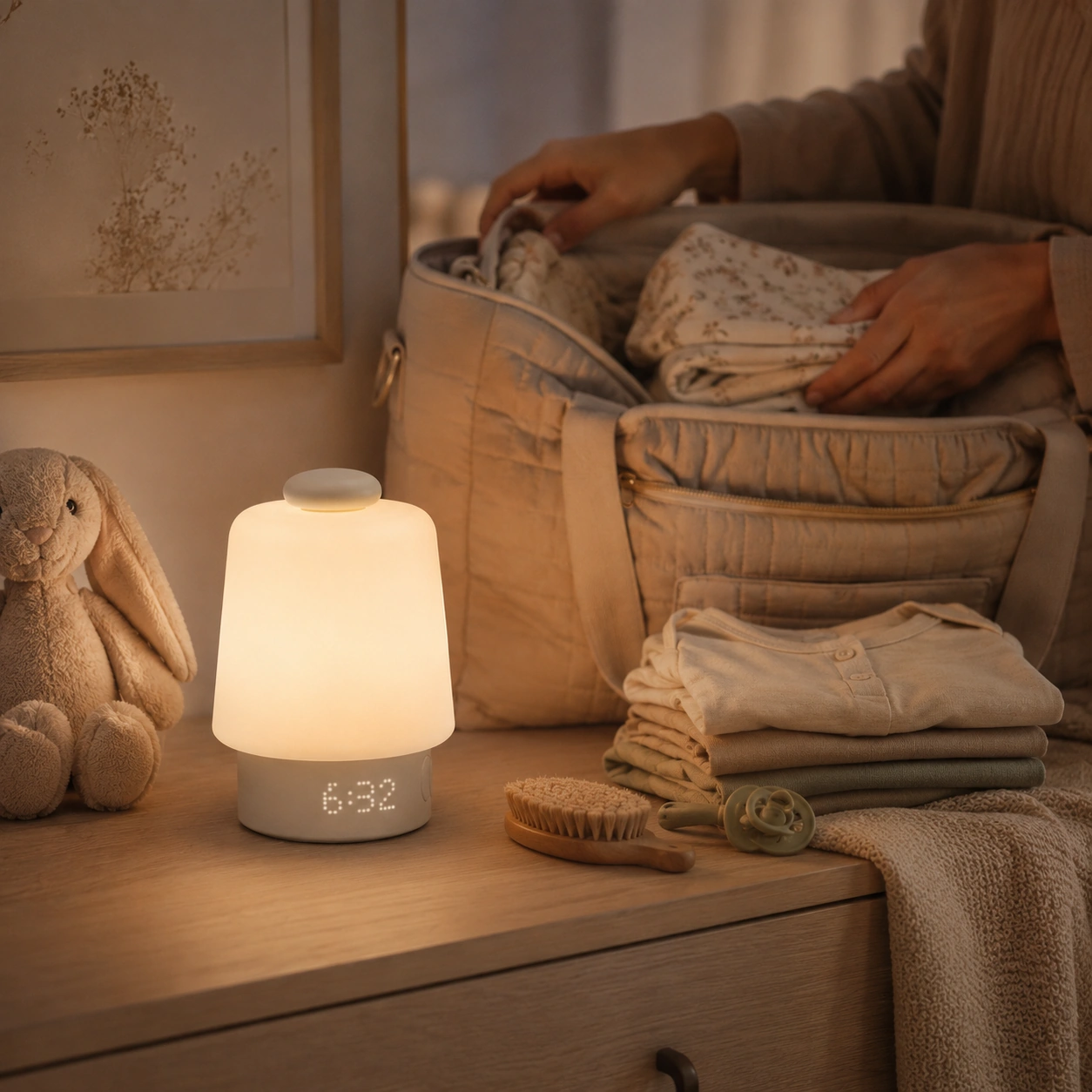
This section matters more than most feature lists. Hatch says to place Hatch Baby at least 3 feet from the baby's sleep space, keep cords tucked away and out of reach, and not perch the device on the crib. I would treat that as a hard rule.
Volume also deserves caution. Hatch suggests starting sound at 30% and light at 35%, then adjusting for the room. A 2014 study in Pediatrics found that infant sleep machines can produce sound pressure levels high enough to raise hearing-risk concerns when used loudly or close to the infant.
My practical nursery rule: place the device across the room or near the door, start lower than you think, and check the room from the baby's sleep space. If the sound dominates the room, it is probably louder than needed.
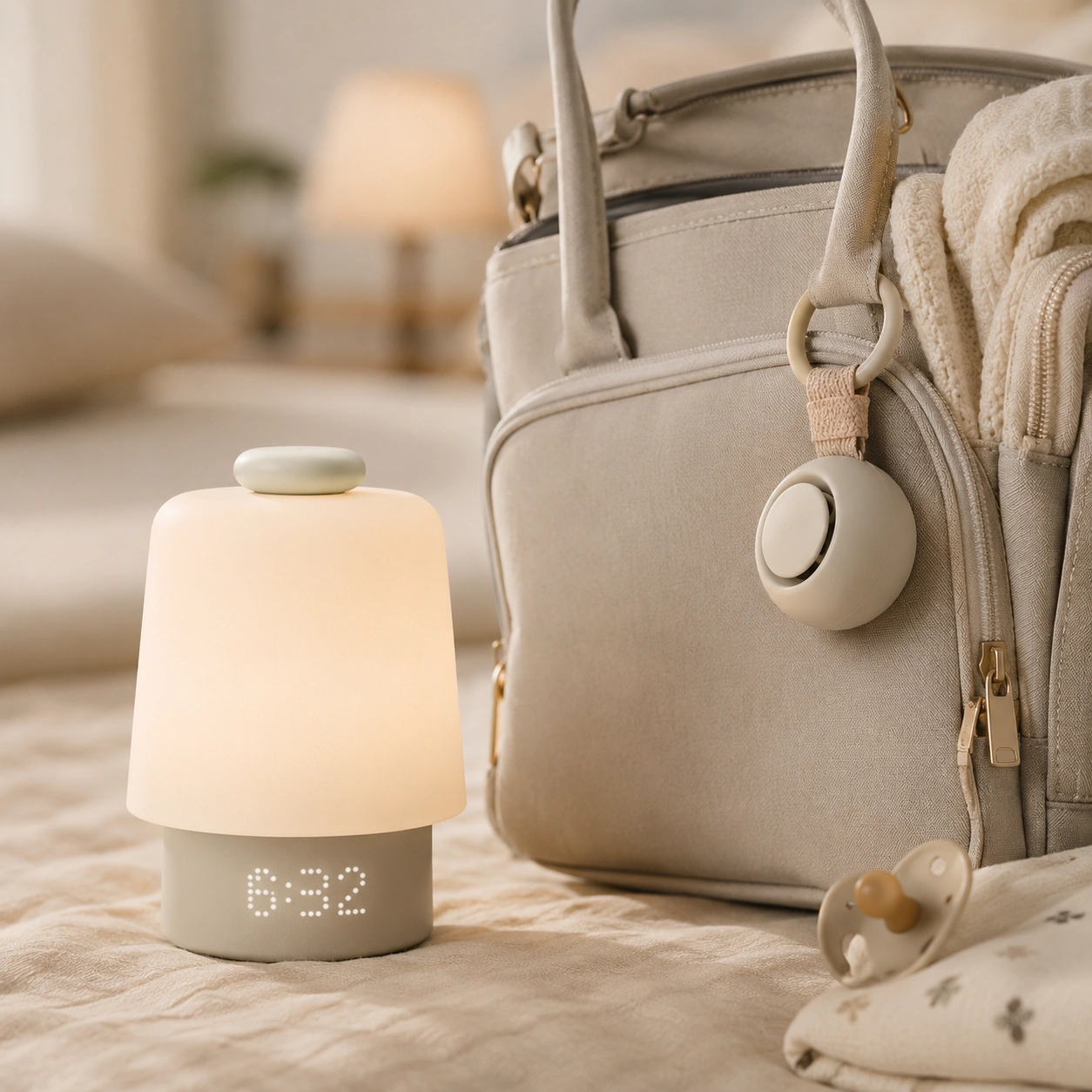
Hatch Baby is not limited to one parent's phone. Hatch says the primary user can add up to four additional users. That is useful for a partner, grandparent, nanny, or regular caretaker.
The limitation is ownership. The original registered owner controls access. If someone else added you to the device, you may not be able to invite another caretaker yourself. This matters in split-care homes, nanny setups, and secondhand-device situations.
| Need | Hatch Baby | Cheaper sound machine |
|---|---|---|
| Steady white noise | Good, but expensive for that one job | Usually enough |
| Night feed light | Strong | Depends on model |
| App schedules | Strong | Usually absent |
| Time-to-Rise | Strong | Only some models have it |
| Travel | Weak | Better if rechargeable |
| No app / no Wi-Fi | Weak | Strong |
| No subscription concern | Mixed | Strong |
| Long-term routine building | Strong | Mixed |
| Guided baby sleep support | Included only during Hatch+ term, then paid | Usually absent |
Choose Hatch Baby if you want a routine system. Choose a cheaper sound machine if you want background noise and nothing else.
Before buying, check five things.
Hatch Baby is a good buy for parents who want a nursery routine device, not just a sound machine. It is strongest when the family will use the same sound-and-light cue every night, adjust settings through the app when needed, and rely on the Big Button for simple nighttime control.
I would buy it for a nursery where the parents want one device for night feeds, sleep sounds, bedtime cues, and toddler Time-to-Rise training.
I would skip it for travel, battery backup, or basic white noise only. In those cases, Hatch Baby is more product than you need.
The cleanest decision rule: if routines are the value, Hatch Baby makes sense. If noise is the value, buy something simpler.
Reviews
Hatch Baby works best when the family uses sound, light, schedules, and Time-to-Rise cues together. The product is strongest as a routine tool, not as the cheapest way to play white noise.
No battery backup changes the buying decision. If travel, stroller naps, or power outages matter, compare Hatch Go or another rechargeable machine before buying Hatch Baby.
Basic sound, light, and cue use can continue without Hatch+. The subscription matters more for guided sleep support, premium content, predictive schedules, and the fuller app experience.
FAQ
Yes, if you mainly want free sounds, basic lights, and Time-to-Rise / Time-for-Bed cues. It is less compelling without Hatch+ if you were buying mostly for 1:1 Sleep Consultant Chat, Baby Sleep Guides, premium stories, songs, dynamic lights, predictive schedules, Tuck-ins, or play-from-phone features.
Wi-Fi is part of setup and app-based use. After setup, physical controls make daily use easier, but Hatch Baby should not be treated as a fully offline sound machine.
No. Hatch Baby must be plugged in and does not have battery backup. If you need rechargeable travel use, Hatch Go is the better Hatch product to compare.
Do not place it on the crib. Hatch recommends keeping it at least 3 feet from the baby's sleep space and keeping cords tucked away and out of reach.
Hatch Baby is the newer baby-focused product. Hatch says it adds baby sleep support features such as 1:1 Sleep Consultant Chat and Baby Sleep Guides, plus redesigned hardware with the Big Button, improved audio, a nightlight, and easier volume and brightness controls.
It can help teach a wake-up boundary if you use Time-to-Rise consistently. It will not automatically stop early waking. The child has to learn the color cue, and adults have to respond consistently.
Yes. Hatch says the primary user can add up to four additional users. The owner limitation matters: only the primary registered owner can add additional users.
For a nursery routine, yes. For travel, no. Hatch Baby is plug-in only. Hatch Go is the better fit for naps away from home.
Research FAQ